What Are the Top 10 Second Hand Cars in China?
Choosing among Second Hand Cars in China takes more than comparing asking prices. A familiar badge may look reassuring, but a car’s condition, maintenance history, and local parts availability matter just as much. A Corolla with clear service records can be a different proposition from one with similar mileage and an uncertain past. Details matter.
This guide explores ten models often considered by used-car shoppers, including popular sedans and practical family vehicles. The list is a starting point, not a universal sales ranking: demand, prices, and suitable choices can vary between cities and model years. Not just price. For each car, buyers should check the vehicle identification details, service documents, accident and repair history, tire wear, and the behavior of the engine and transmission during a careful inspection. An independent inspection can reveal issues that photographs cannot.
The best choice depends on how the car will be used. A compact sedan may suit crowded streets and daily commuting, while a roomier model may better handle family trips. Fuel use, insurance costs, comfort, and future resale value also deserve attention. No model is perfect. Even a well-regarded car can become a poor purchase when neglected or overpriced. Use the comparisons ahead to build a shortlist, then verify each individual vehicle before making a decision.
China’s Used-Car Market and Its Main Vehicle Categories
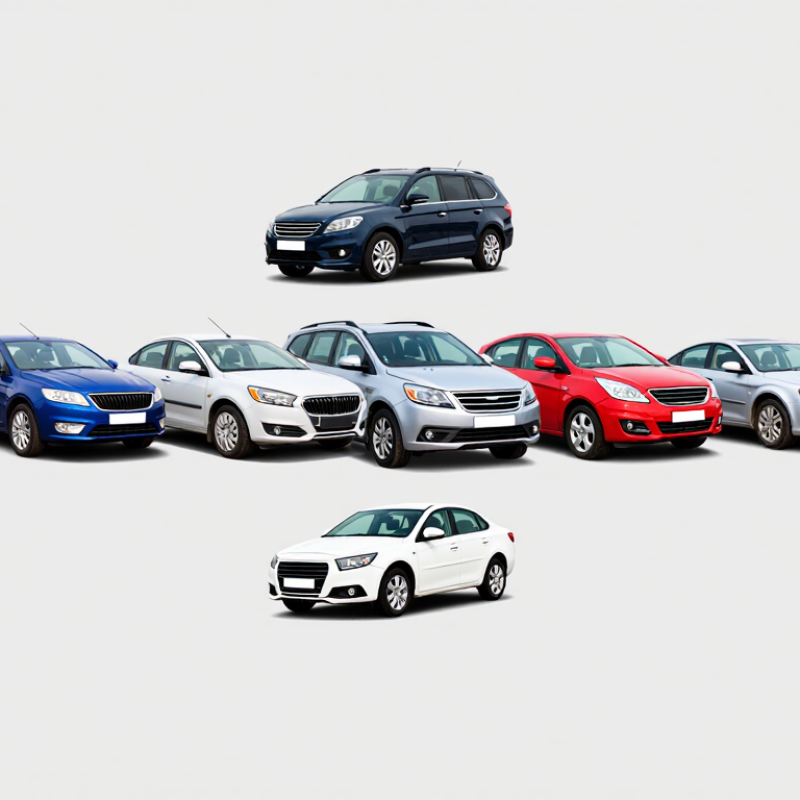
China’s used-car market is large, but transaction volume alone does not reveal which vehicles suit every buyer. The China Automobile Dealers Association recorded 19.61 million used-car transactions in 2024, up 6.52% year on year. Its market reporting tracks body styles such as sedans, SUVs, and MPVs. These categories offer a more useful starting point than a simple “top ten” list.
Sedans often appeal to buyers seeking easier parking and lower fuel use on urban commutes. SUVs provide higher seating and more cargo space, though larger vehicles may cost more to run. MPVs suit families who need several seats and room for bags or child seats. Small details matter. Check rear-seat wear, tire condition, and whether the boot fits your usual load. A category label cannot show how a particular car was maintained.
China’s used-car market also includes crossovers, vans, and light commercial vehicles, each serving different routines. CADA’s figures describe market activity, not vehicle reliability or value for money. That distinction is easy to miss. A popular category may still contain cars with uneven service histories, so compare inspection records, mileage, and condition before deciding. Any ranking should state its criteria; otherwise, “top ten” can sound more precise than the evidence allows.
Criteria for Ranking the Top 10 Second-Hand Cars
A useful top-ten ranking should measure more than low asking prices. China’s used-car market recorded 19.61 million transactions in 2024, worth about 1.28 trillion yuan, according to the China Automobile Dealers Association. That scale makes transaction liquidity important: cars with more comparable listings and clearer price histories are easier to assess. We would score each candidate for resale activity, ownership costs, parts availability, safety equipment, and reliability evidence. A low purchase price alone is not enough.
Condition needs equal weight. Service records, accident repairs, mileage consistency, and wear on the steering wheel or seat can reveal different parts of a car’s history. The ranking should favor models with dependable inspection data, but public data rarely captures every local repair or driving habit. That is a real limitation. Scores should therefore distinguish verified facts from editorial judgment, and compare vehicles of similar age and mileage rather than treating every listing as equivalent.
Tips: Compare at least three local listings, check maintenance records, and arrange an independent inspection. A clean-looking cabin proves little. Use current regional prices, since demand and repair costs vary across China.
The Top 10 Second-Hand Cars in China
The Top 10 Second-Hand Cars in China
A useful top-ten shortlist should reflect different budgets and daily needs, not pretend one model suits everyone. Consider compact sedans for city commutes, midsize sedans for longer trips, small hatchbacks for tight parking, and compact SUVs for mixed urban and suburban driving. Midsize SUVs offer more cabin space, while MPVs can work well for larger families. Small electric cars suit short routes with dependable charging nearby. Plug-in hybrids may fit drivers who want both electric and fuel options. City-focused electric cars and practical light vans complete this varied list. These are vehicle types, not a verified sales ranking; local prices and demand change.
Tips: Check service records, ownership documents, tire wear, and the vehicle identification details before paying. Ask for an independent inspection, and test the car on familiar roads if possible. Cold starts matter. For electric vehicles, review battery condition and charging history; a low purchase price can hide costly repairs. I would not judge a car by its clean paint alone. A tidy cabin is reassuring, but it cannot prove the mechanical parts are sound. Compare several listings in the same city, and leave room in your budget for immediate maintenance.
Comparing Reliability, Running Costs, and Resale Value
A practical top-ten comparison in China should weigh compact sedans, family sedans, small SUVs, and hybrid models by condition, not reputation alone.
Reliability starts with service records, a cold-start check, and a road test over rough pavement. Listen for suspension knocks and watch for warning lights. Records matter. A clean-looking cabin can still hide neglected maintenance, and mileage readings deserve verification. Rankings also shift by city, age, and vehicle history, so a single national list can be misleading.
Running costs include fuel, scheduled servicing, tires, insurance, and possible battery repairs. A short urban commute may favor a fuel-efficient hybrid, but its battery health should be independently tested. For a petrol car, check real-world fuel use rather than relying only on brochure figures. Resale value tends to benefit from common configurations, complete maintenance records, and undamaged bodywork, yet local demand can change quickly. Compare several recent listings in the same city and model year. I would not treat the cheapest option as the best value; a small price gap can disappear after one overdue service or a set of worn tires.
What to Check Before Buying a Used Car in China
When comparing popular used cars in China, condition matters more than a ranking. Start with the vehicle identification number and compare it with the registration documents. Check that the seller’s details match the paperwork, and ask to see maintenance records and inspection reports. Missing records are not proof of a problem, but they leave important questions unanswered.
Inspect the car in daylight. Look for uneven paint, mismatched panel gaps, damp carpets, and rust around the spare-wheel well. These details may point to repairs or water exposure. Start the engine when it is cold, then listen for rattles and watch for warning lights. During a test drive, check braking, steering, air conditioning, and gear changes on ordinary roads. If the car is electric, request a battery health report from a qualified workshop. A polished cabin can be reassuring, but it is not evidence of sound mechanics.
Tips: Arrange an independent inspection before paying a deposit. Confirm the mileage against service records, and test every key and window. If anything feels rushed, pause. I would rather miss a bargain than inherit an expensive surprise.
What to Check Before Buying a Used Car in China
A practical inspection checklist—not a ranking of car models, sales, or failure rates.
Priority scores are an advisory guide on a 1–5 scale, not measured market statistics. Verify the vehicle identification number (VIN), registration documents, service records, accident history, and any outstanding finance or restrictions. Arrange an independent mechanical inspection before purchase.