How to Choose the Right Car Make for Global Buyers?
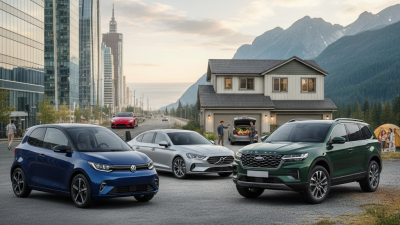
Choosing the right Car Make is not only about appearance, horsepower, or a familiar badge. Global buyers face different roads, climates, fuel standards, service networks, and ownership costs. A compact hatchback may feel perfect in a European city, yet struggle with rough rural roads or limited rear-seat space elsewhere. A large SUV may provide comfort and ground clearance, but its fuel use and parking demands can become frustrating.
Real ownership details matter. Check whether authorized workshops operate near your home, not only in the capital. Ask how long common parts usually take to arrive. Compare warranty coverage, maintenance schedules, insurance costs, and resale demand in your market. Examine the vehicle personally, if possible. Sit in the driver’s seat. Test visibility, door opening space, luggage capacity, and ride comfort on familiar roads. Small observations often reveal more than polished advertisements.
Reliable research should combine manufacturer information, independent safety assessments, dealer records, and feedback from experienced local owners. Country-specific specifications can differ, even when two vehicles share the same name. That detail is easy to miss. I have also learned that buyers sometimes overvalue brand reputation and undervalue after-sales support. No checklist is flawless.
The strongest choice balances practical needs with long-term confidence. Consider your climate, family size, driving distance, repair access, budget, and expected ownership period. Then compare several Car Make options using the same criteria. Your priorities may change after a test drive. That is normal. A careful decision leaves room for reflection, rather than chasing the most impressive badge.
Identify Your Driving Needs and Ownership Priorities
How to Choose the Right Car Make for Global Buyers?
Identify Your Driving Needs and Ownership Priorities
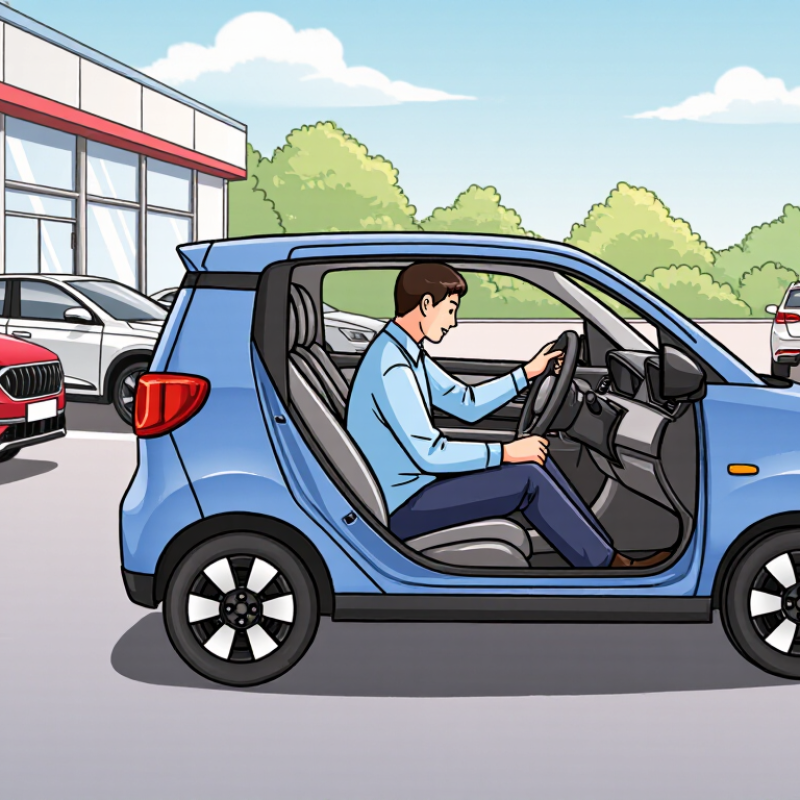
Choosing a car begins with your daily routine, not its appearance. Count your weekly trips, average distances, passengers, and typical road surfaces. A compact vehicle may suit narrow urban streets, while a larger model can help families carrying luggage or equipment. Test the driving position carefully. Your knees, sight lines, and reach matter more than a polished showroom display.
Climate also changes ownership needs. In hot regions, strong air conditioning and durable interior materials are practical priorities. Cold areas may require reliable heating, battery protection, and useful ground clearance. Drivers near unpaved roads should inspect suspension height and tire availability. Charging access must be checked before choosing an electric vehicle. It is easy to assume public chargers are nearby. They may not be.
Ownership costs deserve equal attention. Compare fuel or electricity use, scheduled servicing, insurance, taxes, replacement parts, and expected resale value. Ask a local service center about repair times and common failures. A lower purchase price can become expensive when parts travel long distances. Confirm the vehicle meets local safety and emissions requirements through official sources. Independent safety results are more trustworthy than sales language.
Leave room for doubt. Your first choice may reflect preference, not actual need. A short test drive cannot reveal long-term comfort, winter performance, or repair inconvenience. Speak with current owners in your region, and record the answers that challenge your original decision.
Evaluate Pricing, Taxes, Availability, and Maintenance Costs
Choosing a car make for global travel requires more than comparing showroom prices.
Import duties, value-added tax, registration fees, and emissions charges can change the final cost dramatically. The OECD Revenue Statistics 2024 report shows that consumption taxes remain a major government revenue source across many economies. A low sticker price may therefore become expensive after customs clearance and registration.
Ask for a written, local drive-away quote.
Availability matters just as much.
The International Energy Agency’s Global EV Outlook 2025 reports that global electric-car sales exceeded 17 million in 2024. This growth can improve charging access, but supply remains uneven between regions. Check waiting times, replacement-parts channels, and the number of trained technicians nearby. A popular vehicle in one country may be difficult to repair elsewhere. That gap is easy to underestimate.
Tips:
Compare five-year ownership costs, not only purchase prices. Include insurance, scheduled servicing, tires, energy, taxes, and resale value. AAA’s 2024 Your Driving Costs study estimated maintenance, repair, and tire expenses at 9.83 US cents per mile for a new vehicle. Local roads may increase that figure. Keep a repair fund. A spreadsheet helps, but it can still mislead when exchange rates or parts shortages change. Inspect service records, confirm warranty coverage, and ask a local mechanic for an independent estimate before buying.
Check Regional Compatibility, Resale Value, and Dealer Support
Choosing the right car make for global buyers starts with regional compatibility, not showroom appeal. Fit comes before fashion. Check local fuel quality, charging access, weather, road width, and repair standards. The IEA’s Global EV Outlook 2024 recorded more than four million public charging points worldwide at the end of 2023, but access remains uneven. A vehicle suited to one city may feel impractical elsewhere.
Resale value also deserves careful research. The buyer’s market, import duties, service records, and spare-part availability can change a vehicle’s value quickly. S&P Global Mobility reported that the average age of vehicles in the United States reached 12.6 years in 2024. That figure supports a practical lesson: durable cars with accessible maintenance often remain useful longer. However, resale forecasts are not promises. They can overlook currency shifts, changing emissions rules, or sudden demand for electric vehicles.
Dealer support is the quiet test many buyers skip. Before purchasing, call two local service centers and ask about wait times, diagnostic equipment, warranty handling, and common parts. The J.D. Power 2024 U.S. Customer Service Index Study links service satisfaction closely with appointment convenience and repair communication. Ask for written answers. Vague replies are signals. An impressive vehicle with weak technical support can become expensive frustration. I would still leave room for doubt: published rankings cannot measure every town, climate, or independent workshop. Talking to local owners may reveal more than a polished brochure.
Make the Final Choice Using a Practical Comparison Framework
Choosing a car make for global use requires more than comparing price and appearance. Build a practical scorecard around five factors: reliability, local service access, parts availability, safety performance, and resale value. Give each factor a score from one to five, then adjust the weighting for your location and driving habits.
A vehicle suited to a cold city may perform poorly in a hot, dusty region. Check ground clearance, cooling performance, corrosion protection, and fuel compatibility. Ask local repair shops how quickly common parts arrive. Review independent safety data and warranty terms carefully. A short test drive helps, but it cannot reveal long-term maintenance costs. An inspection by a qualified technician adds stronger evidence.
Tips: Calculate ownership costs for three years, including insurance, servicing, tires, taxes, and unexpected repairs. Compare two or three makes using the same criteria. Keep service records and written quotations. Do not rely on showroom promises alone. A scorecard can create false precision, especially when local support data is incomplete. I would leave some space for judgment, because one inconvenient repair experience can change the whole ownership picture. Test the car with a cold engine, inspect its underside, and check the nearest authorized service facility before paying a deposit.