Top Tips for Buying Secondhand Cars Globally?
Buying a secondhand car can be a daunting task. Experts often highlight the importance of making informed decisions. Jack Thompson, a renowned automotive industry expert, emphasizes, “A well-researched secondhand car can be a treasure.” This sentiment underscores the need for extensive knowledge in the secondhand car market.
Navigating through various listings and options can feel overwhelming. Prospective buyers may encounter vehicles with hidden issues or inflated prices. It’s crucial to approach each option critically. Knowledge about vehicle history, maintenance records, and owner reviews can lead to better choices.
Though the allure of a deal is strong, it’s essential to remain vigilant. Not every offer is as good as it seems. Understanding the vehicle's true value, including potential repairs needed, can prevent costly mistakes. Buyers must remain cautious yet proactive in their search for the perfect secondhand car.
Understanding the Global Secondhand Car Market Trends and Statistics
The global secondhand car market is evolving rapidly. According to a report by Allied Market Research, the global used car market was valued at approximately $1.37 trillion in 2020 and is projected to reach $2.03 trillion by 2027, growing at a CAGR of 5.3%. This growth indicates a shift in consumer preferences towards cost-effective options, especially post-pandemic.
Different regions exhibit diverse trends. For instance, in Europe, used electric vehicles (EVs) are on the rise. The European Automobile Manufacturers Association states that sales of secondhand EVs surged by 129% in 2021 compared to the previous year. This reflects a growing environmental awareness among consumers. Conversely, in North America, the demand for trucks and SUVs remains strong, yet many options are not meeting modern fuel efficiency standards.
While the opportunities are vast, challenges persist. The supply chain issues caused by the pandemic have led to a shortage of vehicles. Additionally, digital marketplaces have made it easier for buyers but also present pitfalls. Trustworthy inspections are often overlooked, risking buyers with hidden defects. Data shows that nearly 20% of used cars have undisclosed issues. This emphasizes the need for thorough research and reliable sources when entering the secondhand market.
Key Factors to Consider When Evaluating Quality of Used Vehicles
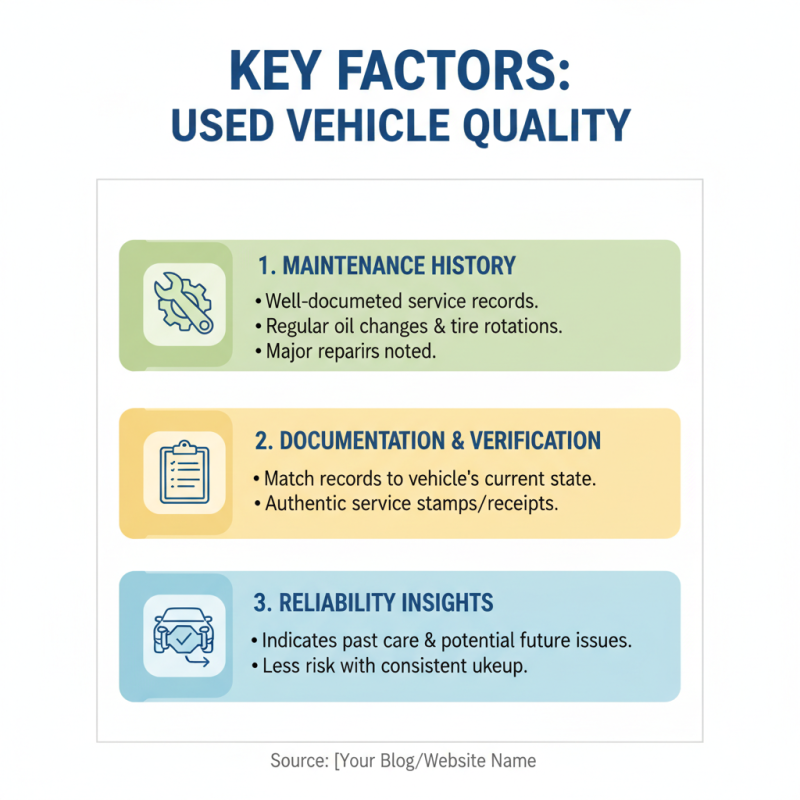
When evaluating the quality of used vehicles, consider the vehicle's maintenance history. A well-documented service record can indicate a car's reliability. Look for regular oil changes, tire rotations, and any major repairs. These records provide insight into how a car has been cared for. Always verify that the documentation matches the vehicle's current state.
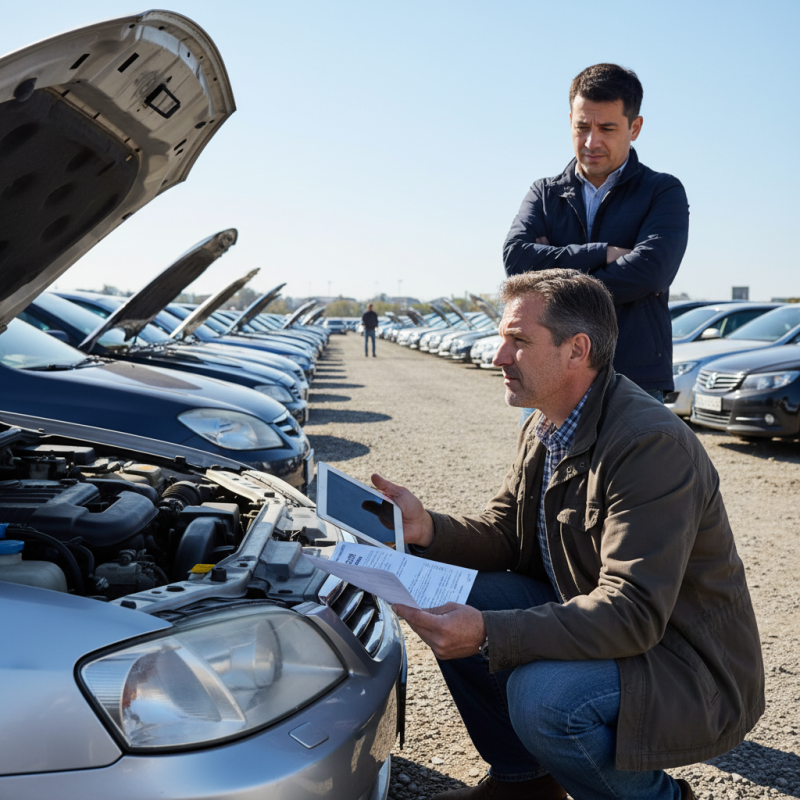
Inspect the car thoroughly. Check for signs of rust, dents, or paint inconsistencies. These can hint at past accidents or neglect. Pay attention to the tire tread; uneven wear could signal alignment issues. Test the electronics inside the car, like lights and infotainment systems. It’s the small details that reveal the overall integrity of the vehicle.
Research the model's reputation online. Forums and consumer reports offer valuable insights into potential issues. Look for common complaints and known weaknesses. Reading about others' experiences can prevent future regrets. Sometimes, vehicles with good reviews might still have hidden problems. Stay skeptical and trust but verify.
The Importance of Vehicle History Reports in Secondhand Car Purchases
When considering a secondhand car, understanding its history is crucial. Vehicle history reports provide insights into previous ownership, accidents, and service records. A 2022 study by the Automotive Industry Association found that 60% of used cars sold had a reported accident. Without checking history, buyers may unwittingly invest in a damaged vehicle.
Many people overlook the importance of history reports. Around 41% of buyers do not request this information. This lack of diligence can lead to purchasing cars with hidden issues, affecting performance and safety. It's essential to ensure that the car has a clean title and has not been involved in major crashes.
Vehicle history reports are not just about preventing disaster. They can also improve negotiation power. If a report reveals past issues, buyers might leverage this information to lower the price. Investing in these reports might cost around $20 to $50, but the potential savings can be significant. Ignoring this step can cost you in repairs down the line.
Financing Options for Buying Secondhand Cars: What to Know
When considering financing options for buying secondhand cars, realize that your budget plays a crucial role. Understand your total cost, including insurance and maintenance. A clear financial picture helps avoid unexpected expenses later.
Evaluate various financing methods. Personal loans often provide flexibility. Credit unions may offer competitive rates. However, make sure to check your credit score before applying. A higher score can lead to better terms.
Remember to negotiate prices. Sellers may be willing to adjust for a quicker sale. Research the market value of the car you’re interested in. Having this knowledge empowers you during negotiations. Explore warranties too; they can save you money on future repairs, yet not all used cars come with one.
Negotiating Tips for Getting the Best Price on Used Cars Worldwide
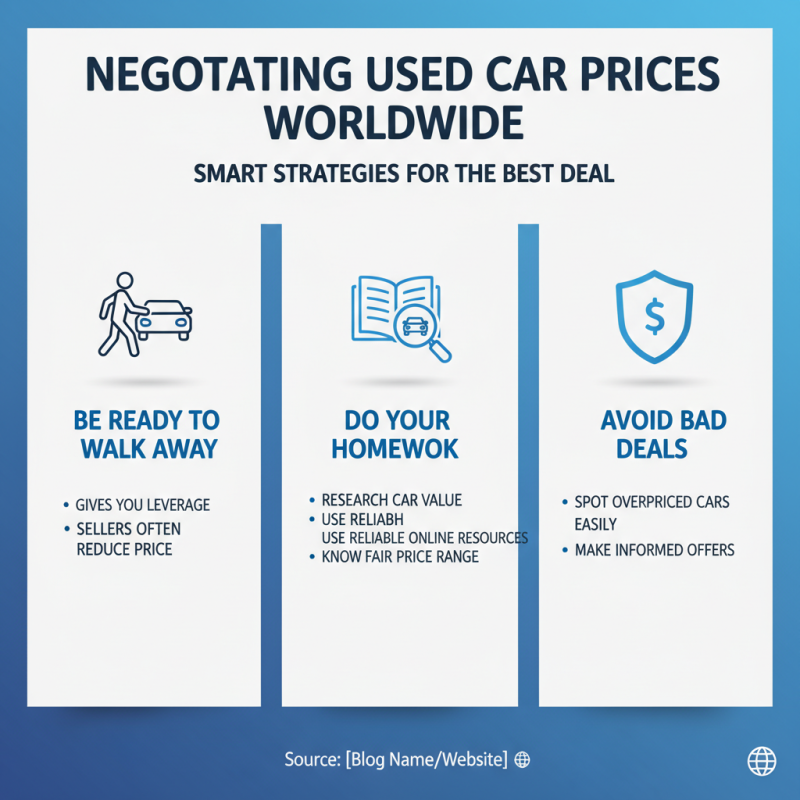
When negotiating for a used car, be prepared to walk away. This mindset gives you leverage. Sellers often lower prices when they see a buyer willing to leave. Do your homework first. Research the car's value using reliable online resources. Know the fair price range so you can spot a bad deal easily.
Start by pointing out imperfections. Look for scratches, dents, and wear. Mention how these flaws affect the car’s value. This can lower the asking price significantly. Be polite, but firm. Confidence can influence the seller’s perception of the deal. Use your research to back up your offers.
Timing plays a role too. Shopping late in the month often works in your favor. Sellers need to meet quotas, so they may be more willing to negotiate. Finally, be ready for any surprises. Some sellers may increase the price if they sense urgency. Always keep your budget in mind. Get a feel for whether the seller is sincere. This can make all the difference in your car-buying experience.