Why is Automobile Trading Important for Global Buyers?
The realm of Automobile Trading plays a pivotal role in today's global marketplace. According to Dr. Jane Schneider, an expert in automotive economics, “Automobile Trading connects manufacturers and consumers worldwide, driving innovation and competition.” This connection enables buyers to access a diverse range of vehicles, catering to various needs and preferences.
Automobile Trading is not just about buying and selling cars. It’s a complex network that involves logistics, marketing, and customer service. Global buyers can find unique models that reflect their taste, but the process isn’t without challenges. Fluctuating tariffs, exchange rates, and market demand can complicate transactions. Dealers must navigate these factors carefully to provide value.
While the opportunities in Automobile Trading are significant, potential buyers may face risks. Not every deal is straightforward. It’s essential to conduct thorough research and due diligence. Understanding the intricacies of international trade can make a substantial difference. Indeed, the world of Automobile Trading invites exploration and reflection on both strategies and outcomes.

The Role of Automobile Trading in the Global Market
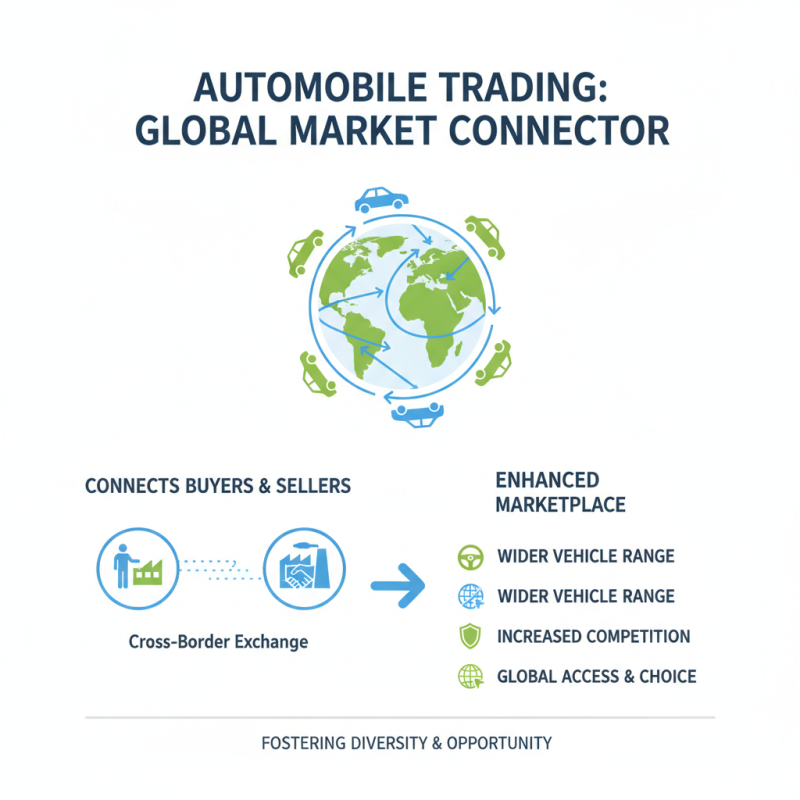
Automobile trading plays a crucial role in the global market. It connects buyers and sellers across borders, fostering a diverse marketplace. Through trading, buyers gain access to a wider range of vehicles. This includes various brands and models that may not be available locally. Such global access enhances choice and competition in the automotive sector.
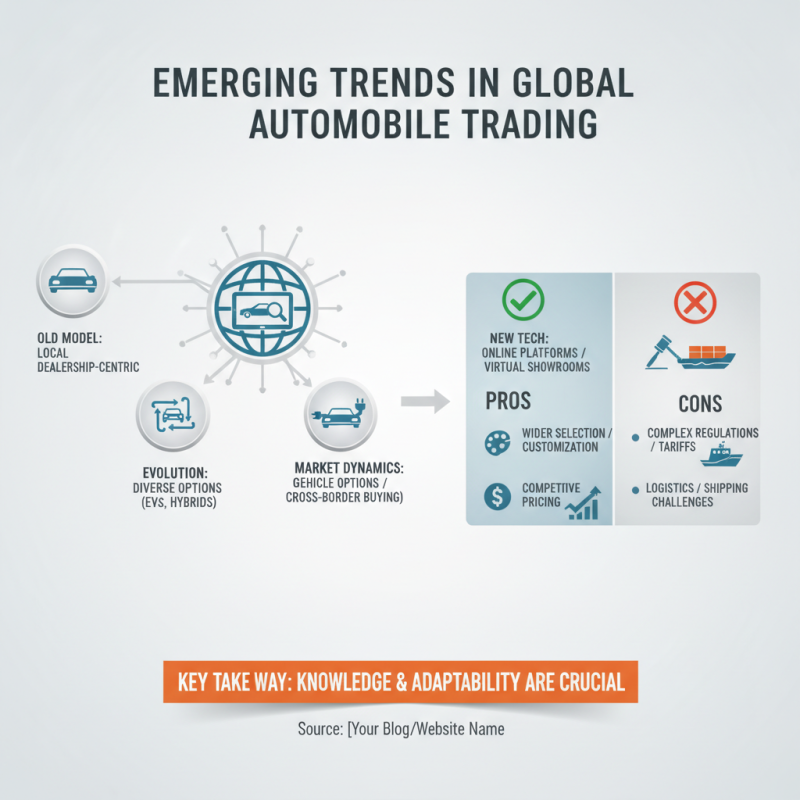
This market is not just about transactions; it influences economies. By trading vehicles internationally, countries can boost their trade balances. However, this complexity can lead to challenges. Different regulations and standards often create confusion. Buyers may struggle with compliance, impacting their willingness to trade.
Moreover, market fluctuations can affect pricing. Economic changes can drastically influence vehicle values. Buyers may find that what seemed like a good deal can turn sour quickly. Understanding these dynamics is essential for making informed decisions. Automobile trading requires vigilance and adaptability, highlighting its importance in the global market.
Key Benefits of Automobile Trading for Global Buyers
Automobile trading holds significant importance for global buyers. It opens doors to various markets, providing a vast selection of vehicles that may not be available locally. Each region has unique automotive offerings, making it essential to explore global options. Buyers can access advanced technology and innovative designs, improving their choices.
One of the key benefits is cost-effectiveness. By engaging in automobile trading, buyers often find more competitive prices. This can lead to substantial savings. It is vital to conduct thorough research on market trends. Understanding these trends can inform purchasing decisions.
Tips: Always verify the credibility of the seller. Faulty trades can lead to costly mistakes. Moreover, consider the shipping costs. It can affect overall expenses significantly. Building relationships with trusted dealers can offer better insights and reliable information.
Automobile trading also enhances diversity. Different cultures bring varied styles and functionalities to the vehicles. However, navigating these differences can be challenging. Potential buyers must focus on compatibility with local regulations. This may require additional research and adjustments. Engaging in automobile trading can be rewarding, but careful planning is essential.
Challenges in International Automobile Trading
International automobile trading presents various challenges despite its importance in the global market. A recent report from the International Organization of Motor Vehicle Manufacturers (OICA) highlights that market volatility impacts trading patterns significantly. Currency fluctuations can alter vehicle pricing, complicating transactions for buyers and sellers alike. For example, in 2022, a 10% fluctuation in currency values shifted auto import costs dramatically, creating uncertainty.
Regulatory barriers also pose challenges. Different countries have distinct import tariffs, emissions standards, and safety regulations. Navigating these legal frameworks can be daunting for global buyers. A study by McKinsey & Company revealed that 75% of automobile export enterprises faced compliance issues. This has resulted in delays and increased shipment costs. Without proper expertise, buyers often find themselves in complicated situations that lead to significant financial loss.
Logistics is another critical hurdle. The automobile supply chain is complex, involving multiple steps from production to delivery. A survey by Deloitte showed that 60% of businesses in the sector reported disruptions in their supply chains. These disruptions lead to delays and increased operational costs. Many traders are required to rethink their operational strategies to ensure a smooth trading process.
Strategies for Successful Global Automobile Purchases
Navigating the global automobile market can be complex yet rewarding. Buyers must understand market trends. Researching different regions can reveal unique opportunities. For instance, certain countries specialize in specific vehicle types, offering insights on quality and pricing. Building relationships with local dealers can also enhance purchasing power. Personal connections often lead to better deals.
Establishing a clear strategy is essential for successful transactions. Start with a well-defined budget and stick to it. This helps avoid unnecessary expenditures. Using technology to compare prices can save time. Online platforms provide extensive data on various models and their market value. However, be aware of fluctuating exchange rates and shipping costs. They can significantly impact overall expenses.
Moreover, due diligence is crucial. Verify the reputation of sellers and inspect vehicles when possible. Trust but verify; even credible sources can make mistakes. Gathering thorough documentation is necessary. This includes service records and import regulations. Small oversights can lead to problems down the line. Always be cautious and ready to adapt your strategy based on new information.