2026 How to Choose the Best Electric Car Models for You?
As the electric vehicle (EV) market rapidly evolves, choosing the best electric car models can be daunting. A report from the International Energy Agency (IEA) highlights that global electric car sales surpassed 10 million units in 2022, marking a 55% increase from the previous year. This surge reflects growing consumer interest and government incentives promoting greener transportation options.
Understanding the various electric car models available is crucial. With dozens of manufacturers releasing new and improved options, how do you determine what fits your needs? Factors such as budget, range, and technology play pivotal roles. For instance, according to Consumer Reports, the average EV consumer drives 37 miles daily. Thus, consider models that offer sufficient range but also align with your lifestyle.
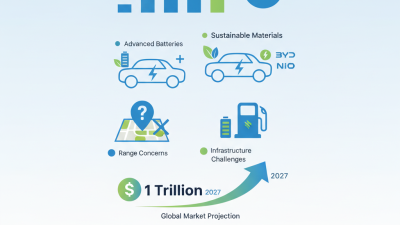
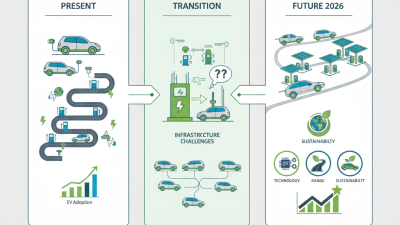
While many electric car models promise efficiency and sustainability, not all vehicles deliver on these promises. Some may fall short in terms of performance or support infrastructure. Research from BloombergNEF suggests that charging access remains a concern; only 20% of U.S. EV owners feel they have adequate charging options. Reflecting on these aspects will help ensure a more informed decision when selecting your electric car model.
Understanding Your Driving Needs: Daily Commute vs. Long Distance
When choosing the best electric car, understanding your driving needs is crucial. A daily commute often requires different specifications compared to long-distance travel. Research from the International Council on Clean Transportation indicates that most electric vehicle (EV) owners drive less than 50 miles daily. This distance fits within the range of many EVs, making them effective for urban use.
For long-distance journeys, range anxiety becomes significant. Many EVs currently offer ranges between 200 to 400 miles per charge. Yet, charging infrastructure varies widely by region. A report from the US Department of Energy shows that while major highways are increasingly equipped with fast chargers, rural areas may lack sufficient charging stations. This discrepancy can challenge those who frequently travel longer distances.
Furthermore, power consumption plays a role in your choice. The energy efficiency of EVs can vary. Models that achieve 4 miles per kilowatt-hour (kWh) are more economical and suitable for daily use. However, for long trips, an EV with a higher kWh capacity might be necessary. You should evaluate your typical driving patterns and charging options realistically, ensuring that your new vehicle meets both your daily and occasional long-distance needs.
Evaluating Electric Vehicle Range: The Importance of Battery Life
When choosing an electric vehicle (EV), battery life is crucial. An EV's range heavily depends on its battery capacity. You want a model that fits your daily needs. Most people drive roughly 30 miles per day. However, having extra range offers peace of mind.
Consider the battery's degradation over time. Batteries lose their capacity gradually, affecting range. Check warranty details. A longer warranty might indicate better durability. Look for models with advanced battery technology. Newer models often include improvements that enhance longevity.
Real-life usage scenarios also matter. How do you charge? Some users rely on home charging, while others use public stations. A reliable charging strategy can alleviate range anxiety. Take into account your typical routes. Urban driving often consumes less energy than highway driving. Evaluate these details to find an EV that truly suits your lifestyle.
Comparing Charging Options: Home Charging vs. Public Infrastructure
When choosing the best electric car, understanding charging options is crucial. Home charging offers convenience and cost savings. Many homeowners install a Level 2 charger, allowing faster charging overnight. This means drivers can wake up to a full battery, ready for daily commutes. However, not all homes have the setup for a reliable charging station. This limitation can be frustrating.
Public charging infrastructure has made significant strides in recent years. Fast charging stations are now available along many highways and in urban areas. These stations can recharge a vehicle in about 30 minutes. While convenient, finding a working station during peak hours can be a challenge. Drivers may also face long wait times.
Choosing between home and public charging requires assessing daily needs. If you rely on public charging, consider its availability. Understanding these options is key to making an informed decision. Each method has pros and cons, and personal lifestyle plays a big role.
Analyzing Cost of Ownership: Upfront Price vs. Maintenance Savings
When considering an electric car, it’s essential to analyze the cost of ownership. Many buyers focus on the upfront price, often overlooking long-term savings. According to the U.S. Department of Energy, electric vehicles (EVs) typically save owners over $700 annually in fuel costs compared to gasoline cars. Maintenance savings can be significant as well, with EVs generally featuring fewer moving parts, resulting in lower service costs.
Some reports indicate that electric car owners could save up to 40% on maintenance over a ten-year period. This is due to the lack of oil changes, fewer brake replacements, and reduced wear and tear on engines. However, it’s crucial to assess the specific models, as some EVs have higher battery replacement costs. A battery replacement can range from $3,000 to $7,000, depending on the model. Potential buyers should factor this into their calculations.
When choosing an electric vehicle, consider the total cost of ownership, including these potential savings. Think about the charging infrastructure available in your area. If home charging is not feasible, costs may rise. Rely on trusted resources and reports when comparing models. Look closer at their warranty and battery longevity to get a clearer picture of long-term expenses. It’s advisable to also seek reviews from real users for a better understanding.
2026 How to Choose the Best Electric Car Models for You? - Analyzing Cost of Ownership: Upfront Price vs. Maintenance Savings
| Model |
Upfront Price ($) |
Annual Maintenance Cost ($) |
Estimated Range (miles) |
5-Year Total Cost of Ownership ($) |
| Model A |
35,000 |
500 |
250 |
38,500 |
| Model B |
40,000 |
450 |
300 |
42,250 |
| Model C |
30,000 |
400 |
260 |
34,800 |
| Model D |
45,000 |
550 |
320 |
49,500 |
| Model E |
50,000 |
600 |
280 |
55,800 |
Exploring Incentives and Rebates: Government Programs for EV Buyers
When considering an electric vehicle (EV) purchase, understanding available government incentives is crucial. Many regions offer generous rebates and tax credits to encourage EV adoption. For example, federal tax credits in the U.S. can range up to $7,500 depending on the vehicle’s battery size. The International Council on Clean Transportation reported that these incentives can significantly lower the effective purchase price of an electric car.
Moreover, some states provide additional rebates, ranging from $1,000 to $5,000. California’s Clean Vehicle Rebate Project illustrates this well, showing how state programs can make EVs more accessible. With the average EV purchase price hovering around $55,000, these incentives can play a key role in making electric vehicles more affordable for everyday consumers.
When choosing an EV model, consider local incentives first. Research available state and federal programs that apply. Also, check if there are special financing options. The efficiency of an EV can vary, so look at the miles per kWh rating as well. Not all models qualify for incentives, so due diligence is necessary. Lastly, explore home charging installations as setup costs can also impact your budget. These factors can significantly influence your overall experience and satisfaction with your new electric vehicle.