Discover the Best Vehicle Type Cars in China for Every Lifestyle?
In the rapidly evolving automobile market, choosing the right "Vehicle Type Car" can feel overwhelming. According to Dr. Wang Li, a renowned automotive expert, "Your vehicle should reflect your lifestyle and needs." In China, this notion is especially significant due to the diverse preferences of consumers.
Different lifestyles demand specific vehicle features. City dwellers may prioritize compactness and fuel efficiency. Families often seek spacious interiors and safety features. Off-road enthusiasts look for durability and power. Each lifestyle presents unique requirements that affect car choice. It becomes essential to understand these variations to make the best decision.
This exploration of the best vehicle types in China highlights the importance of customization. High-tech options cater to the younger generation, while traditional designs appeal to older consumers. The challenge remains to blend personal preference with practical needs. Are we truly aware of what our vehicles signify in our daily lives? Reflecting on this can help steer our choices in a meaningful direction.
Understanding China's Diverse Automotive Market
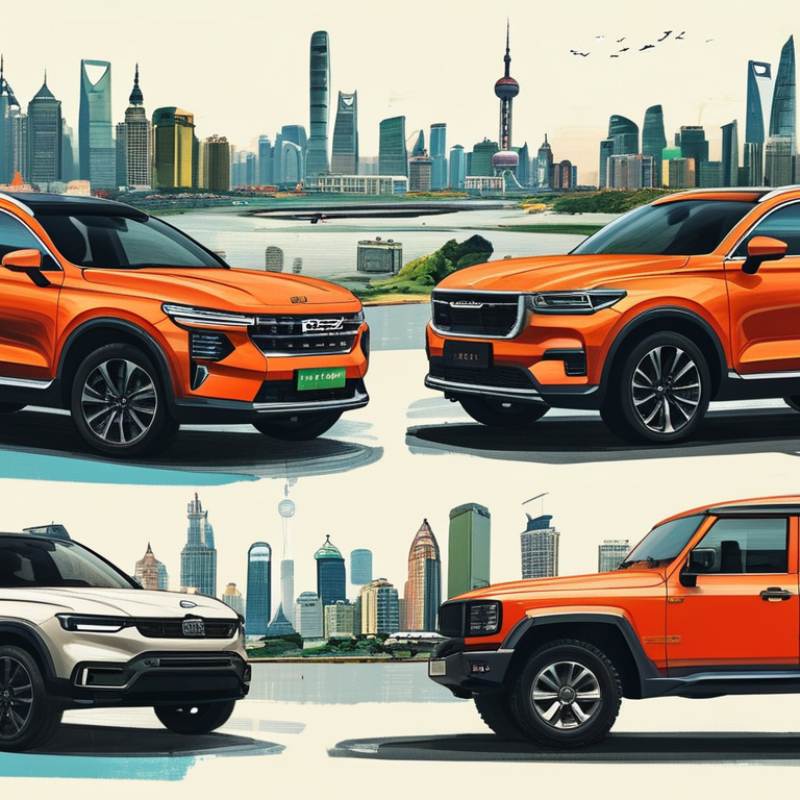
China's automotive market is incredibly diverse. It reflects the country's vast culture and varying lifestyles.
Urban dwellers often seek compact cars.
These vehicles easily navigate crowded streets and tight parking spaces.
They are fuel-efficient and budget-friendly. Families, on the other hand, gravitate towards spacious SUVs.
These models offer safety and comfort for longer journeys.
Electric vehicles (EVs) are also gaining traction.
Environmental concerns and government incentives drive this trend. Many consumers are open to new technologies.
However, issues like battery range and charging infrastructure still raise questions.
The rise of luxury cars showcases another layer of the market.
These buyers prioritize status and performance.
The choices can be overwhelming. Regional preferences add complexity. In cities like Beijing, small cars thrive.
In rural areas, sturdy trucks are popular. Each vehicle type serves different needs. Understanding these dynamics is essential
for anyone looking to enter the market. It's a continuously evolving landscape, presenting both opportunities and challenges.
Key Factors Influencing Vehicle Type Choice in China
Choosing the right vehicle type in China involves various key factors. The metropolitan lifestyle influences preferences heavily. Busy cities require compact cars for easy maneuverability and parking. In contrast, rural areas often favor larger vehicles for durability and cargo space. Environmental consciousness also plays a role. Many opt for electric or hybrid cars, reflecting a growing commitment to sustainability.
Family needs cannot be overlooked. Parents may lean towards SUVs that offer space and safety features. Younger individuals might prefer sedans that are stylish yet practical. There’s an intricate balance between comfort, performance, and affordability. However, some buyers may overlook maintenance costs when making selections.
Cultural influences also dictate choices. In some regions, vehicle ownership symbolizes status. Consequently, buyers may prioritize aesthetics over practicality. This can lead to regrettable decisions, especially when impractical models become burdensome. Understanding these factors can improve vehicle selection and enhance satisfaction long-term.
Vehicle Type Preferences in China Based on Lifestyle
Popular Vehicle Types for Urban Lifestyles in China
In urban China, vehicle choices significantly impact daily life. With a vast population and crowded cities, selecting the right car requires careful thought. Reports from the China Association of Automobile Manufacturers indicate that compact cars are becoming increasingly popular, particularly in metropolitan areas. Their smaller size makes parking easier, while fuel efficiency is a huge plus.
Electric vehicles (EVs) are also gaining traction. According to a recent market analysis, sales of EVs in urban China surged by over 200% in the past two years. This trend reflects growing environmental awareness among urban residents. With government incentives and charging infrastructure expanding, EVs are no longer just a niche choice.
**Tips:** When choosing a vehicle, consider your daily commute and parking availability. Evaluate your lifestyle needs. Whether you prioritize space, efficiency, or sustainability, make an informed decision. Keep in mind that urban driving can be unpredictable, requiring flexibility in your choice. Look for models that balance performance with practicality.
Exploring Family-Friendly Cars in China
Finding the perfect family-friendly car in China can be quite a challenge. With numerous options, parents often struggle to balance comfort, safety, and budget. Spacious interiors are crucial. A car with ample legroom and storage can make long trips more enjoyable.
Consider the importance of easy accessibility. Sliding doors can be a game-changer, especially for younger children.
Safety features are non-negotiable for families. Look for models equipped with advanced safety technologies. Features like anti-lock brakes and multiple airbags significantly enhance protection. However, parents should also think about fuel efficiency. A car that consumes less fuel helps save money over time. It’s a common area where families may overlook potential long-term costs.
While many cars offer family-friendly features, not all are built the same. Some may lack essential space or safety attributes. Test driving several options is vital to understand what fits best. Moreover, keeping personal preferences in mind while considering the needs of every family member is essential. This balance ensures that chosen vehicles meet everyone's expectations.
The Rise of Electric and Eco-Friendly Vehicles in China
China is witnessing a significant shift towards electric and eco-friendly vehicles.
A report from the China Association of Automobile Manufacturers indicates that electric vehicle sales increased by over 150% in 2022. This trend highlights a growing preference for sustainable options. Many consumers are now seeking vehicles that not only reduce emissions but also save on fuel costs.
Tips for choosing an eco-friendly vehicle:
Research models with high energy efficiency ratings. Consider cars equipped with the latest battery technology. A longer range often means fewer charging stops on your journeys.
Local government incentives also play a crucial role. Various provinces offer subsidies for electric vehicles, making them more accessible. However, charging infrastructure varies widely across regions.
In urban areas, charging stations are often plentiful. However, rural regions may lag behind, presenting a challenge for potential buyers.
Moreover, the rise of hybrid vehicles provides another layer of choice. These models blend traditional and electric power, offering flexibility for drivers.
Yet, the environmental impact of production and battery disposal raises further questions. Finding the right balance is essential for consumers looking to make a responsible choice.