What is Automobile Electric Technology and Its Benefits?
The rise of the Automobile Electric sector marks a significant shift in the transportation landscape. Experts like Dr. Emily Carter, a leading figure in electric vehicle technology, emphasize, "Electric vehicles are about more than just sustainability; they represent the future of mobility."
This statement captures the transformative impact of Automobile Electric technology. With electric vehicles gaining traction, their benefits are becoming increasingly clear. They offer reductions in greenhouse gas emissions and lower operational costs. These advantages provide compelling reasons for consumers to consider electric options.
However, challenges remain in battery efficiency and charging infrastructure. The transition may not be instant, and consumers may experience hesitation. Yet, the potential for innovation in the Automobile Electric field is vast. We must engage seriously with the complexities of this evolving industry.
What is Automobile Electric Technology?
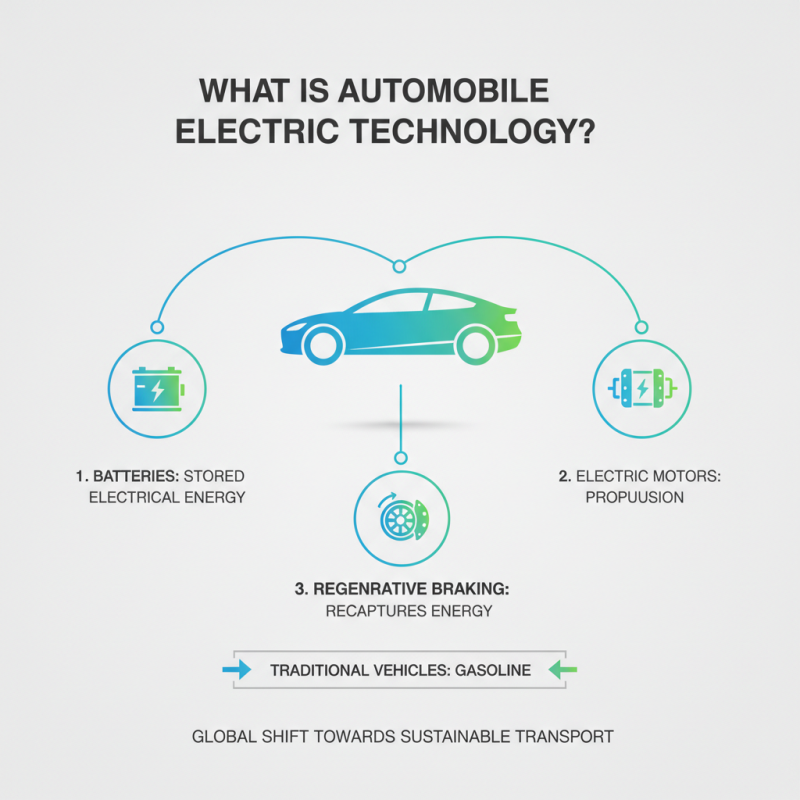
Automobile Electric Technology refers to the systems that power electric vehicles (EVs). This technology primarily includes batteries, electric motors, and regenerative braking systems. Unlike traditional vehicles, EVs rely on stored electrical energy instead of gasoline. This shift has sparked interest globally.
The battery packs used in electric vehicles are designed to store large amounts of energy efficiently. They are often made from lithium-ion, which provides a high energy density. Electric motors convert electrical energy into mechanical energy, enabling smooth acceleration. Furthermore, regenerative braking systems recapture energy during braking, enhancing overall efficiency.
While the benefits of automobile electric technology are significant, challenges persist. Charging infrastructure is still inadequate in many areas. Battery production and disposal raise environmental concerns. Furthermore, the initial cost of EVs can be high, deterring potential buyers. Overall, though the technology presents exciting opportunities, ongoing improvements are necessary for broader adoption.
Key Components of Automobile Electric Technology
Automobile electric technology has transformed the automotive industry. Central to this technology are key components that enhance vehicle performance and sustainability. One vital element is the electric motor. Unlike traditional engines, electric motors offer high efficiency and instant torque. This provides a smooth driving experience and quicker acceleration.
Another crucial component is the battery. Modern electric vehicles use advanced lithium-ion batteries. These batteries are lightweight and have a high energy density. However, they can degrade over time, needing careful management to prolong their lifespan. Moreover, the voltage systems in electric vehicles can be complex. Understanding these systems is essential for maintenance and safety.
Charging infrastructure is also a significant aspect of electric technology. The availability of fast chargers has improved electric vehicle adoption. Yet, charging times can still be an issue for many users. There's also an ongoing discussion about battery recycling. These challenges highlight the need for further innovation. While electric technology offers numerous benefits, it still requires refinement and ongoing improvements to address existing limitations.
Advantages of Electric Vehicles Over Conventional Cars
Electric vehicles (EVs) offer numerous advantages over traditional gasoline-powered cars. One significant benefit is energy efficiency. EVs convert over 60% of electrical energy from the grid to power at the wheels. In contrast, conventional cars only convert about 20% of the energy stored in gasoline. This efficiency translates into lower energy costs for drivers and reduced energy waste.
Another notable advantage is the environmental impact. EVs produce zero tailpipe emissions. This feature helps improve air quality in urban areas. In cities, where smog can be a major issue, EVs provide a cleaner alternative. The shift towards electric technology can play a key role in combating climate change. However, the production of batteries raises concerns about resource extraction.
Additionally, the maintenance costs for EVs tend to be lower. They have fewer moving parts than traditional vehicles, which can lead to less frequent repairs. However, finding reliable charging stations remains a challenge in many regions. Without proper infrastructure, the convenience of owning an EV may be hindered. These factors illustrate both the promise and the obstacles in transitioning to electric mobility.
Environmental Impact of Electric Vehicles
Electric vehicles (EVs) have gained traction as a viable alternative to traditional gasoline-powered cars.
One significant advantage is the reduction in greenhouse gas emissions. According to the International Energy Agency, electric vehicles can reduce CO2 emissions by up to 70% compared to their gasoline counterparts, depending on the energy source of the electricity.
This shift in technology helps combat climate change and improve urban air quality.
The environmental benefits of EVs extend beyond emissions.
They produce less noise pollution, which is crucial in densely populated areas.
However, manufacturing batteries for electric vehicles can have environmental consequences. For instance, lithium extraction can lead to
water shortages in certain regions. Awareness of these impacts is essential for sustainable practices in the EV industry.
Tip: Consider the source of electricity powering your EV. If it comes from renewable sources like solar or wind,
the environmental benefits are even greater.
As more cities implement EV-friendly policies, the demand for cleaner energy increases.
The transition to electric vehicles should be approached with caution. Not all materials used in battery production are sustainable.
Continuous innovation and sustainable practices are necessary for truly minimizing environmental impact.
Tip: Support local initiatives that promote recycling EV batteries.
This helps mitigate potential waste issues and supports a circular economy.
Future Trends in Automobile Electric Technology
The future of automobile electric technology is bright, marked by rapid innovation and adaptation. As electric vehicles (EVs) gain popularity, trends show an increased focus on battery efficiency, charging infrastructure, and sustainable materials. Batteries are becoming lighter and more efficient, which enhances vehicle performance. Rapid charging stations are popping up, making EV ownership more practical. These changes make the technology feasible for everyday use.
There is a significant push toward integrating renewable energy sources into charging networks. Solar and wind energy can power charging stations, reducing reliance on fossil fuels. City planners are now considering how to create EV-friendly environments. It's an evolving landscape that reflects a commitment to sustainability. However, there are challenges like battery disposal and raw material sourcing that require ongoing attention.
Tips for staying informed about these trends include following reputable automotive publications and joining online forums focused on electric technology. Engage with industry experts on social media to gain insights. Keep an eye on local policies regarding EV support, as regulations are rapidly changing. This awareness helps consumers make informed choices in a fast-evolving market. The shift is underway, and being proactive is essential.
What is Automobile Electric Technology and Its Benefits? - Future Trends in Automobile Electric Technology
| Technology Aspect |
Description |
Benefits |
Future Trends |
| Electric Vehicles (EVs) |
Vehicles powered by electric motors using energy stored in batteries. |
Lower emissions, reduced fuel costs, and quiet operation. |
Increased battery efficiency and expansion of charging infrastructure. |
| Hybrid Vehicles |
Vehicles that use both an internal combustion engine and an electric motor. |
Reduced fuel consumption and greenhouse gas emissions. |
Integration of greener technologies and improved energy recovery systems. |
| Battery Technology |
Technological advancements in battery design and storage capacity. |
Longer range, faster charging times, and enhanced lifespan. |
Development of solid-state batteries and recycling technologies. |
| Charging Infrastructure |
Network of stations and systems for charging electric vehicles. |
Convenience for EV users and encouragement of adoption. |
Expansion of fast-charging networks and smart charging solutions. |
| Regenerative Braking |
Technology that captures and reuses energy during braking. |
Improved efficiency and extended driving range. |
Enhanced systems for energy recovery and utilization. |